The filter you rinse, against the filter you backwash
The best cartridge filter systems for 2026
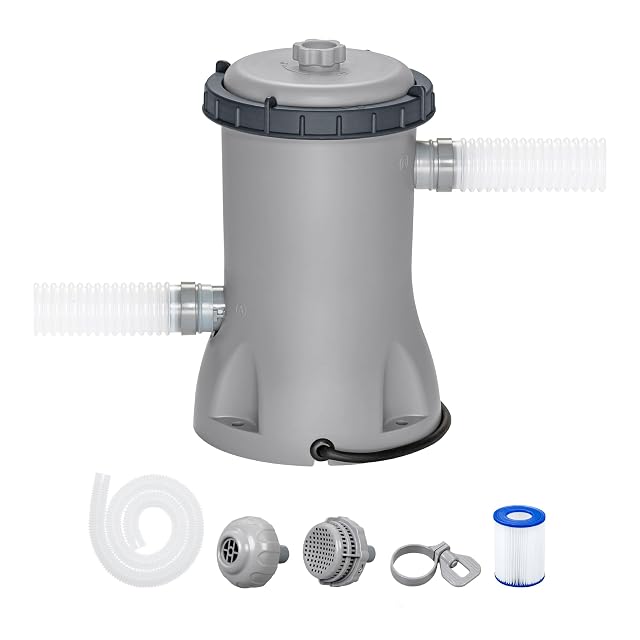
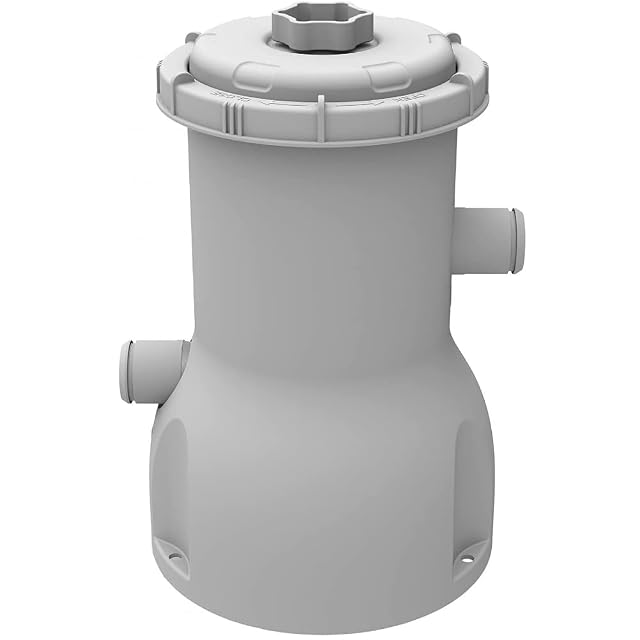
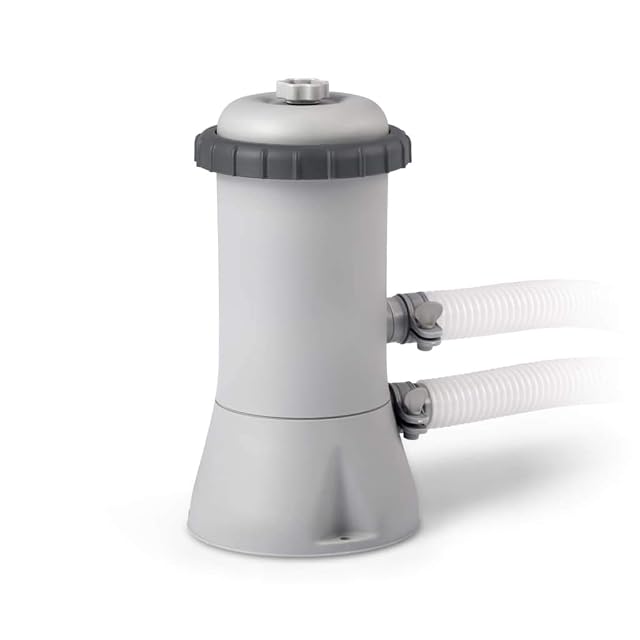
A cartridge filter system is a pump and a pleated paper element in one housing, and it is what almost every frame pool arrives with. Its appeal is that it has no valve, no sand and no backwash: the element comes out, gets hosed off, and goes back in. Its cost is that the element is a consumable, and that is the figure to work out before the flow rate. A Type A cartridge in an Intex housing wants rinsing every week or two and replacing every four to eight weeks in a used pool — over one season that is a running cost that can approach the price of the filter. The flow rate is published in litres per hour and means nothing until it is divided into the pool: a 2 006 l/h pump on a 10 000 l pool turns the water over once every five hours, which is the usual target, while the same pump on a 30 000 l pool does not. Then the cartridge type, which is a compatibility question rather than a quality one — A, C, H, S1, VI and roman-numeral sizes are not interchangeable, and a housing ties you to one of them for its life. Hose diameter — 32 mm and 38 mm are the two standards — decides whether the filter can be used with anything else you own. And the power draw in watts, which is the honest measure of what running it all summer costs. We compare flow rate, turnover against volume, cartridge type and price per season, power, hose diameter and noise.