Skip to content

The best pool for a small backyard

In a small backyard the footprint decides before the price. A rectangle fits along a fence, an oval fits a narrow strip, and a 12 ft round needs a clear circle of about 14 ft to walk around it.

Measure the space, not the pool

Add about 1 ft on every side for access. A 118 by 79 in rectangle then needs roughly 12 by 9 ft; a 12 ft round needs about 14 ft square.

Rectangles for patios and fences

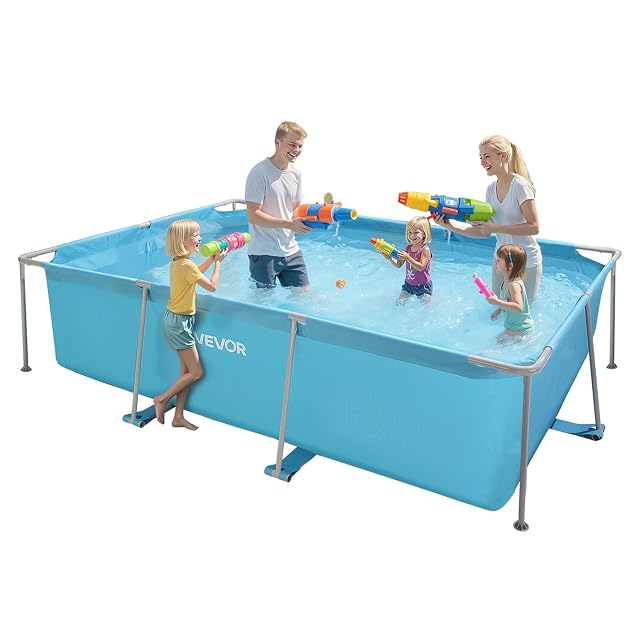
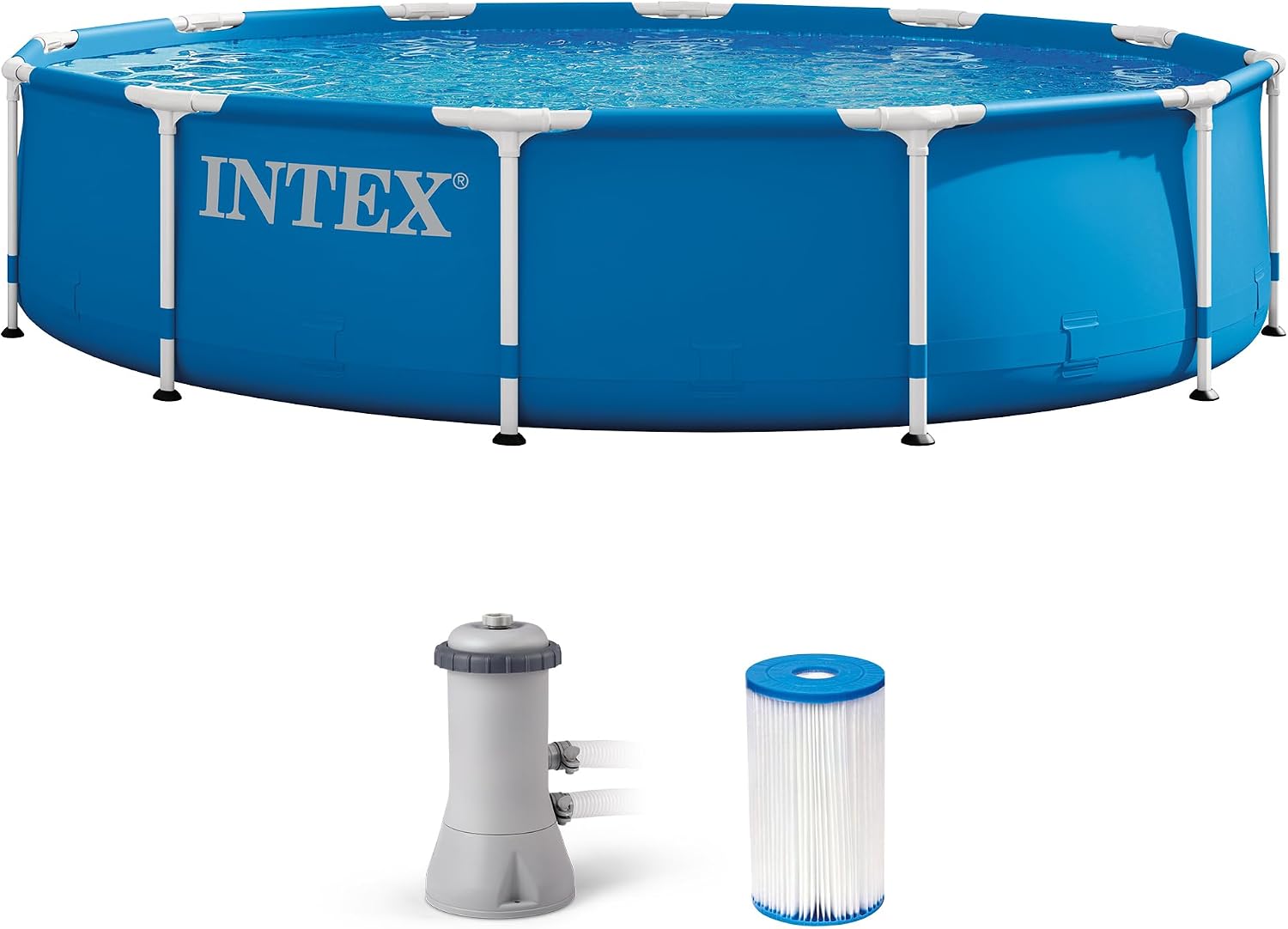
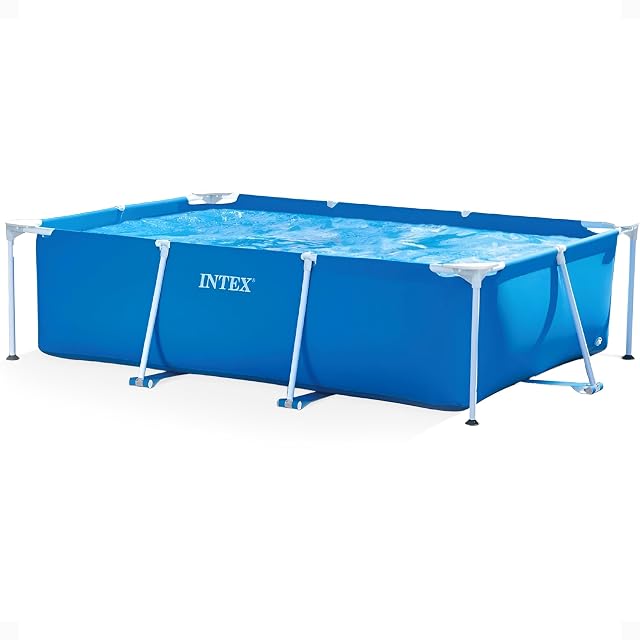
The Intex Metal Frame 9 ft 10 in has nearly 50,000 ratings and sells without a pump. The VEVOR rectangle is the same size, with far less history.

Ovals for narrow yards

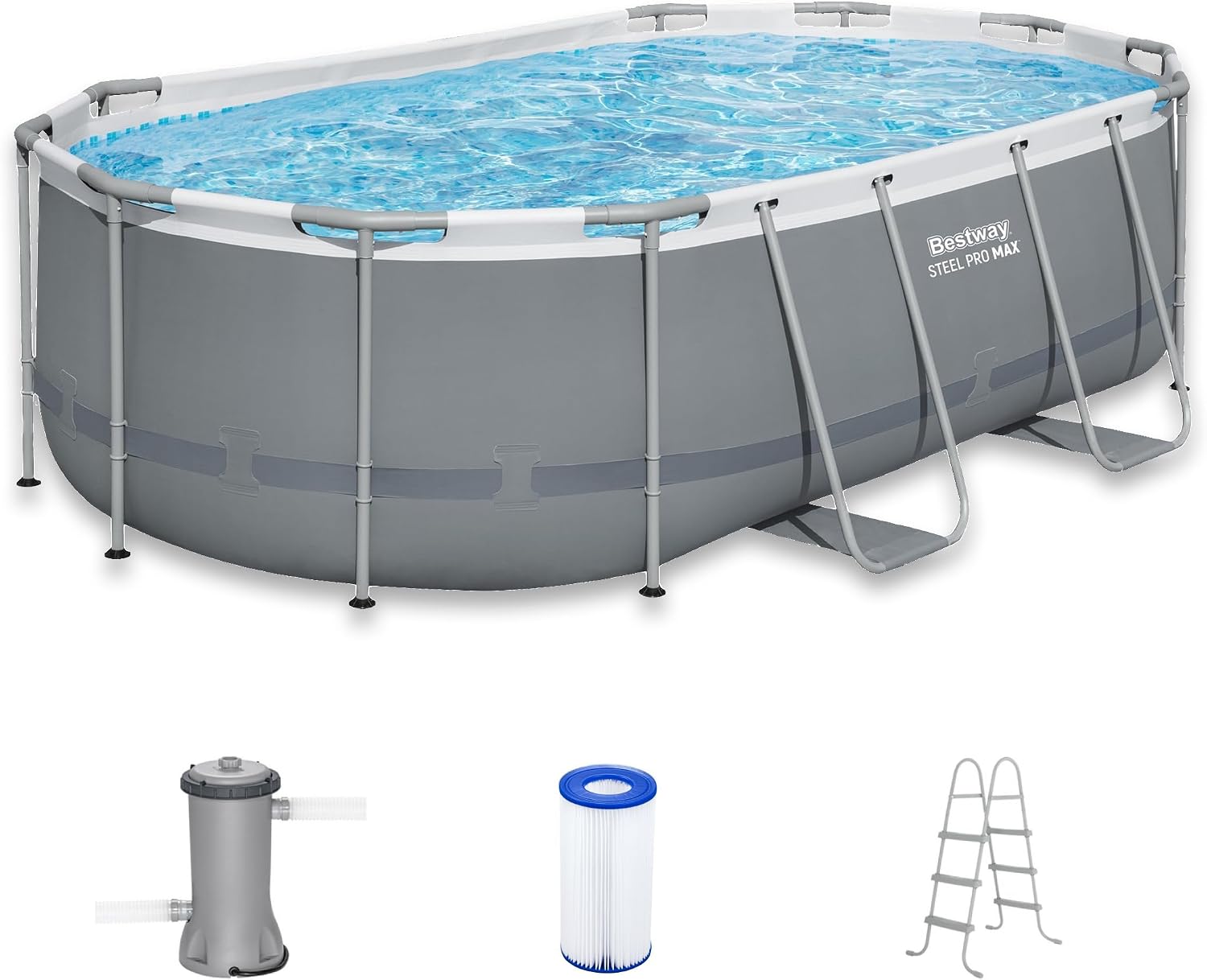
The Bestway Steel Pro MAX 14 ft oval is 8 ft 2 in wide and 39.5 in deep, with a ladder and pump. Ignore its listed 530 gallons and calculate from the dimensions.

Rounds for square yards

A 12 ft round set holds about 1,718 gallons. Add a 1,000 GPH pump if the pool stays up all summer.

The picks, and why they sit in this order

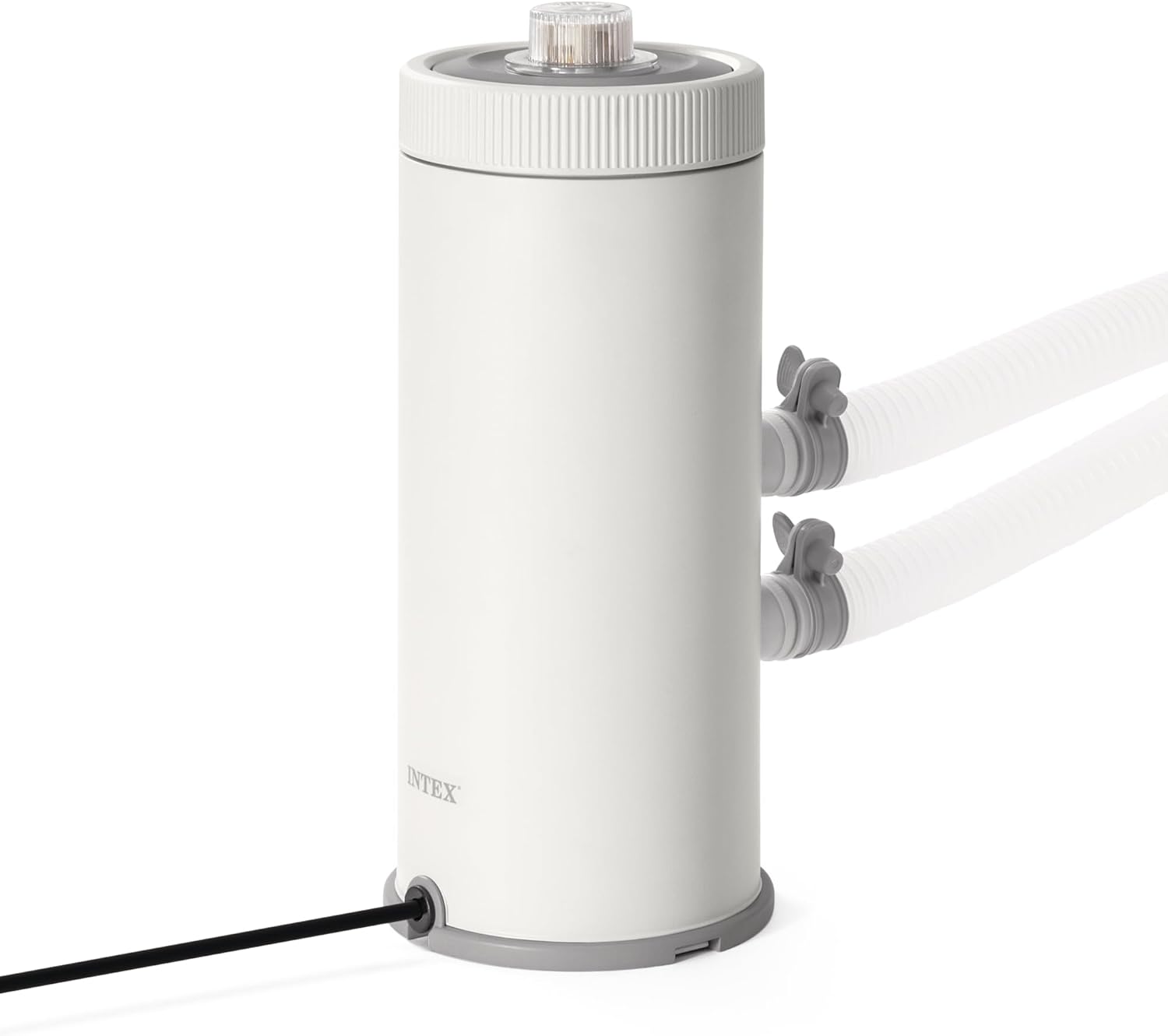
  1. Intex Krystal Clear 1,000 GPH

    1,000 GPH · pools up to 6,000 gal · 2-10 h timer · cartridge gauge · 120 V · 2-year warranty

    Intex’s most bought filter pump: 1,000 GPH for pools up to 6,000 gallons, with a 2 to 10 hour timer and a gauge that turns green, yellow and red as the cartridge clogs.

    Best for: The owner of a 10 to 15 ft frame pool whose original 530 GPH pump is not keeping up.

    7.8/10

    ≈ $74

Questions that follow from this

How small can a frame pool be?

The Intex 28272EH and the VEVOR rectangle, both about 118 by 79 in and 30 in deep.

Can a pool go on a deck?

Only if the deck is engineered for the weight. 1,000 gallons of water weigh over 8,000 lb.

How much room do I need around it?

Leave space to walk around the pool and to reach the pump and filter.

Each unit, and the pool it was sized for

What each band of spending keeps clear

In brief here here

Comparisons that are useful here

Unit against unit, where that comparison is already published here.

How this ranking was produced

The units above come from the catalog of this site. Specifications are those the Amazon.com listing and the maker publish; prices are what Amazon.com showed on the day each listing was read, and both move. The order uses declared specifications, stated strengths set against stated limits, and price. Nothing here has been run on a pool by us, and no page claims it has.

Last checked on

Any amount written into the prose below was read once, the day that sentence was composed, and nothing has updated it since. The figure a shop is asking today loads next to the product itself, and that is the only live one on this page.