A COP is a ratio at a temperature, and the temperature is the point
The best pool heat pumps for 2026
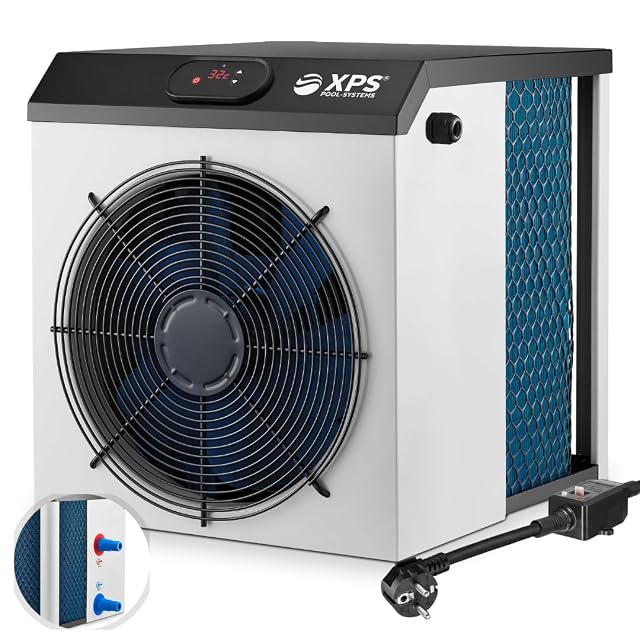
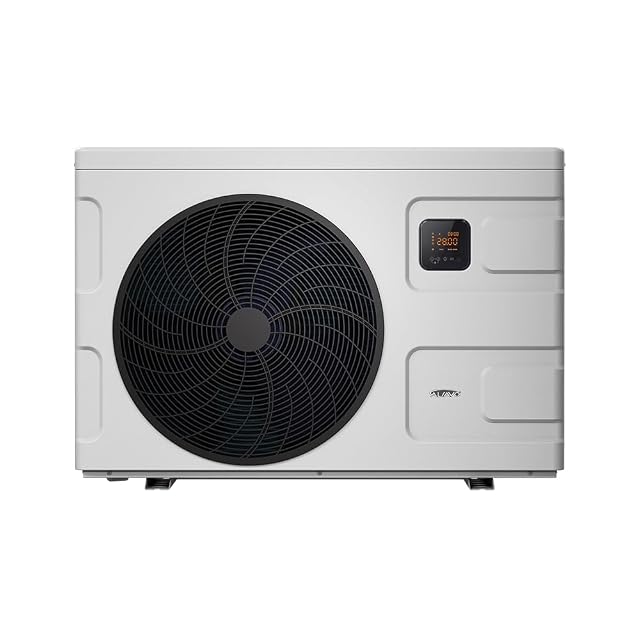
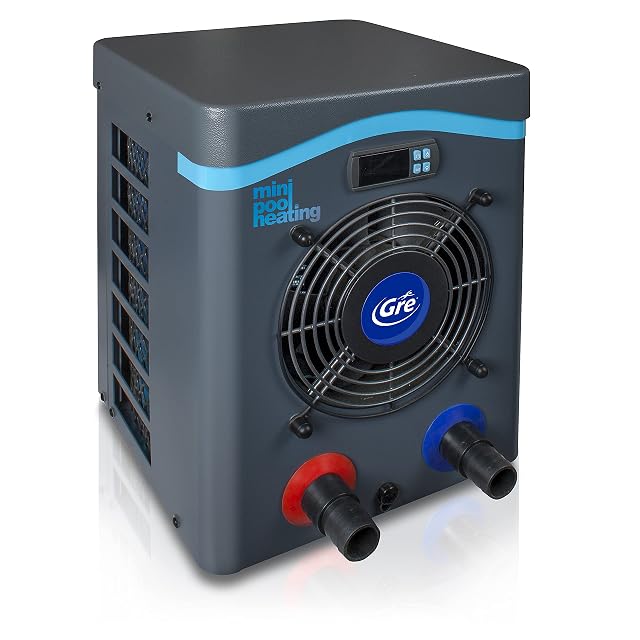
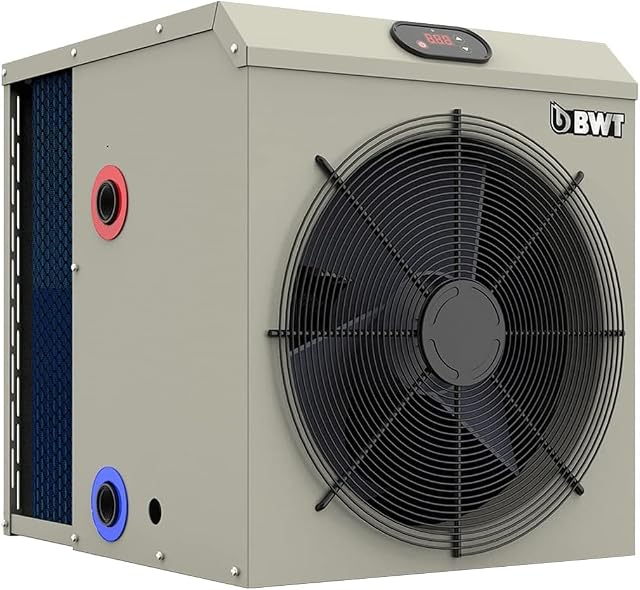
A pool heat pump moves heat out of the air and into the water, and it is the only heating on this shelf whose running cost is a fraction of its output. Two numbers are always published and neither stands alone. The heating output in kilowatts — 3,5, 5, 7, 10 kW here — is what the machine delivers; the COP is how many kilowatts of heat it produces per kilowatt of electricity drawn. The listings advertise COP figures from 5 to 16, and that spread is not a quality ranking: a COP is quoted at a stated air and water temperature, and a COP of 16 is measured at around 26 °C air and 26 °C water — the conditions in which a pool barely needs heating. The same machine at 15 °C air will be nearer 4. A listing that states the conditions is more useful than one with a higher bare number. The third figure is the pool volume the maker rates the unit for — "bis 30.000 l", "34–45 m³" — which already folds in an assumption about cover use that is never stated. Inverter control matters for two reasons: it modulates instead of cycling, which is where the efficiency claim comes from, and it is much quieter. Noise in dB(A) and the distance it was measured at decide whether the unit can sit near a neighbour. And the bypass, which most units need and few include. We compare output, COP with its conditions, rated volume, inverter, noise, connections and what the set contains.