Three ways to read the same water, and only one of them is a number
The best pool water testers for 2026
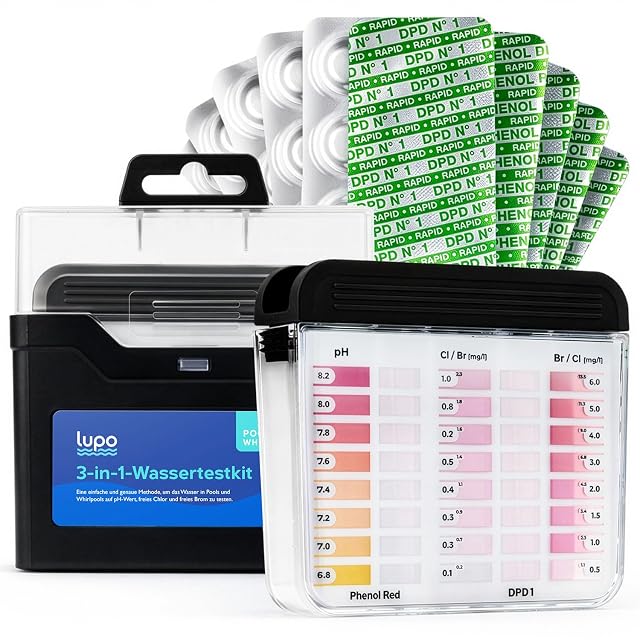
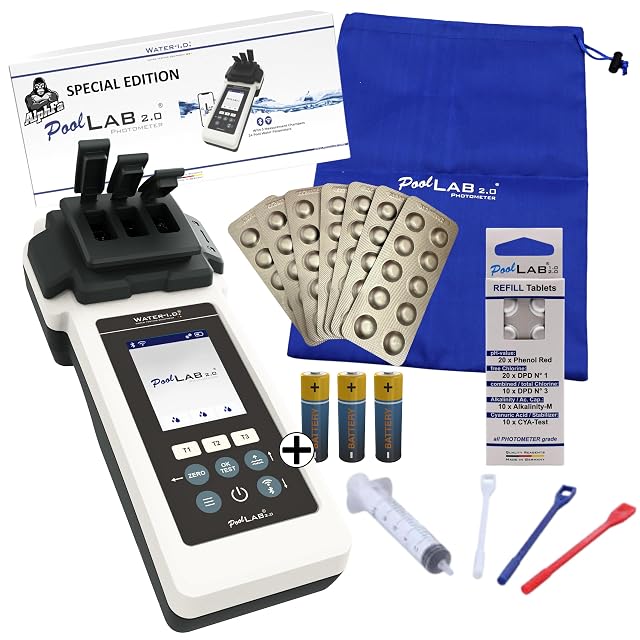
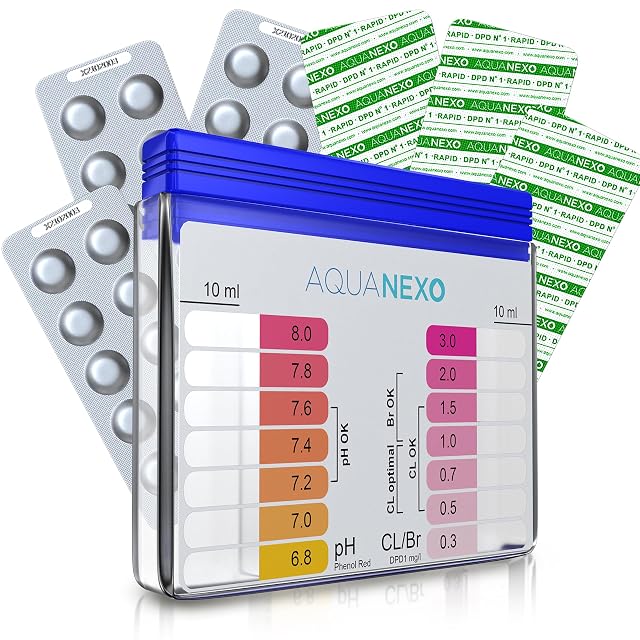
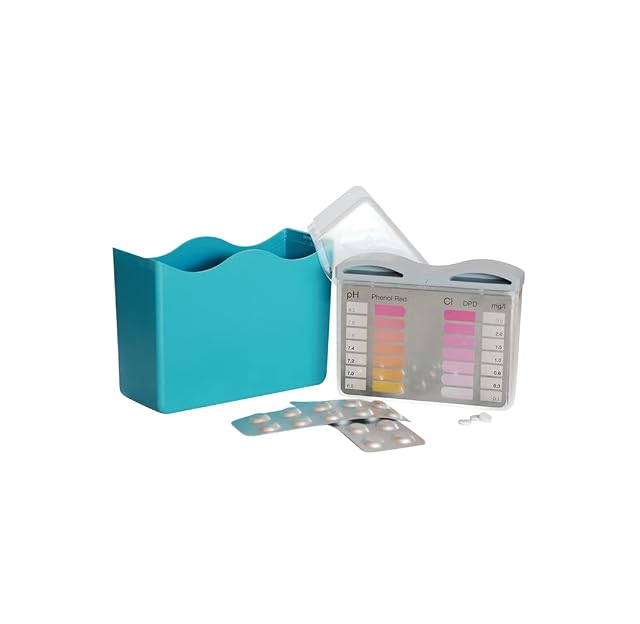
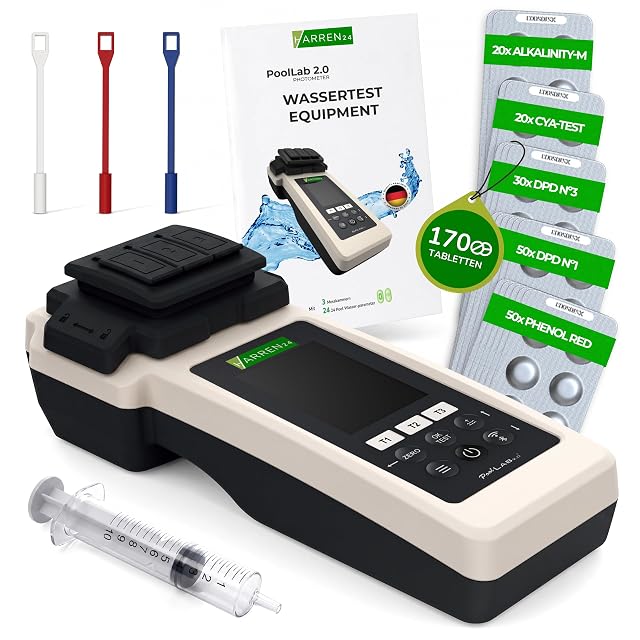
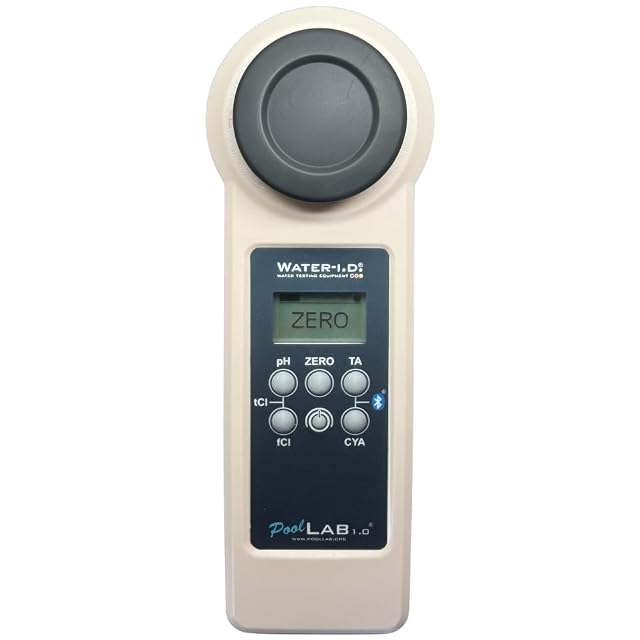
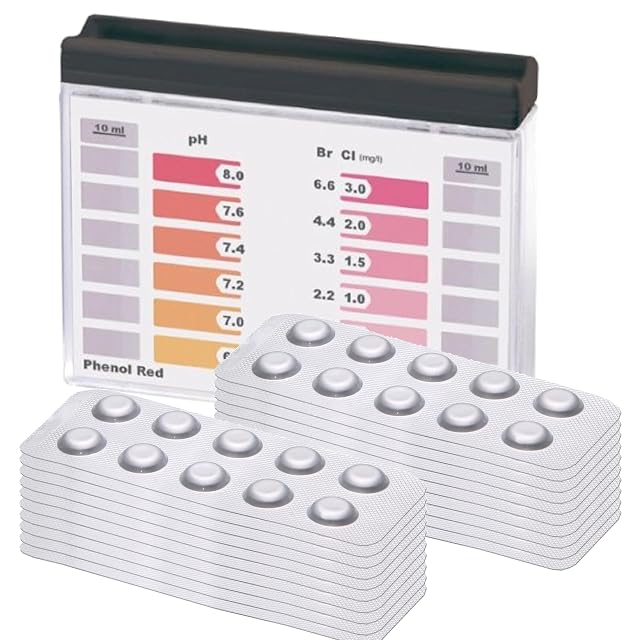
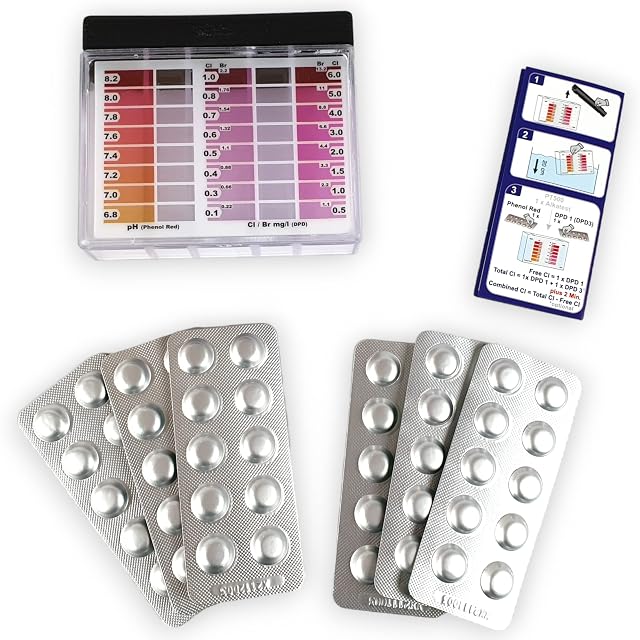
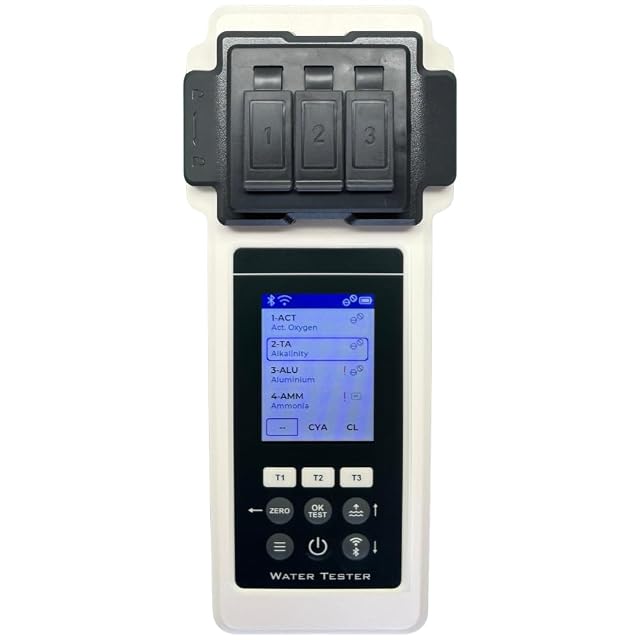
Three quite different instruments share this shelf, and they do not give the same kind of answer. A comparator — the two-chamber plastic tester with DPD1 and phenol red tablets — gives a colour matched against a moulded scale, and its resolution is the spacing of those colours: about 0,5 mg/l on chlorine, about 0,2 on pH. A photometer such as the PoolLab reads the same reagent chemistry with a light source and a detector, publishes a figure to two decimals, and can cover fifteen parameters rather than two. And a digital meter measures pH, ORP, TDS or salinity with an electrode, which is a different physics entirely: it reads continuously, it drifts, and it needs calibration solution — a pH meter sold without any mention of buffer solutions is sold incomplete. The number to compare is not the parameter count but the cost per test: tablets and strips are consumed, electrodes are not but must be replaced every year or two. Then the parameters that matter for the water you actually have — free and total chlorine, pH, total alkalinity and cyanuric acid for a chlorinated pool; salinity if there is a chlorinator; bromine if it is a spa. A tester that reads seven things but not cyanuric acid cannot explain why chlorine has stopped working. We compare method, parameters, resolution, reagent or calibration cost, and what the maker states about accuracy.